China plus one sourcing in 2026: Vietnam, Malaysia or Taiwan, and how to prove origin
On this page
If you buy from China and sell into the US, the question in 2026 is no longer whether to add a second country. It is which country fits your product, and whether your origin claim will hold when US Customs and Border Protection asks for the paperwork. This guide compares Vietnam, Malaysia and Taiwan on duty, cost and supplier depth, then walks through the origin file you need before the first container ships.
Key takeaways
- As of October 10, 2026, US Section 301 forced-labor duties add 12.5% on goods from China and Vietnam, 10% on Malaysia, and bring most Taiwan goods to a 10% combined rate with MFN. Rates come from the USTR notice of July 23, 2026.
- China's older Section 301 duties (25% or 7.5% on most listed goods) still apply on top, so the real gap between China and its neighbors is wider than the headline 12.5% vs 10%.
- Origin follows substantial transformation, not the port of loading. Goods that are only packed or labeled in Vietnam or Malaysia are still Chinese for duty purposes.
- Pick the second country by product category and supplier depth first, then check duty. A separate US overcapacity investigation covering all four economies is still open.
What the 2026 US duty stack looks like
US tariffs on Asian goods changed twice this year. On February 20, 2026, the Supreme Court ruled in Learning Resources v. Trump that IEEPA does not allow the President to impose tariffs, which ended the 2025 "reciprocal" country rates. A temporary 10% tariff under Section 122 ran from February 24 until July 24, per Morgan Lewis.
On July 23, USTR announced final action in 60 Section 301 investigations on forced-labor import policies. The new duties apply to goods entered on or after 12:01 a.m. ET on July 24, 2026. We checked the rates against the Federal Register notice and the Chapter 99 headings in the US Harmonized Tariff Schedule.
| Origin | Section 301 forced-labor duty | HTS heading | What else applies |
|---|---|---|---|
| China | MFN + 12.5% | 9903.05.31 | Older China Section 301 duties stay: +25% (Lists 1 and 3, 9903.88.01/.03) or +7.5% (List 4A, 9903.88.15) |
| Vietnam | MFN + 12.5% | 9903.05.84 | Antidumping or countervailing duties where an order covers the product |
| Malaysia | MFN + 10% | 9903.05.54 | Planned textile tariff-rate quotas |
| Taiwan | Topped up to 10% total with MFN; zero if MFN is already 10% or more | 9903.05.75 / .76 | Country-specific exemptions in Annex II, Part K |
Rates as of October 10, 2026. Section 232 goods (steel, aluminum, autos and parts, copper) are excluded from the forced-labor duty. Annex exemptions vary by HTS subheading, so confirm your code with a licensed broker before you quote landed cost.
The notice says covered goods "continue to be subject to antidumping, countervailing or other duties". For China that means stacking. Take a product with a 3% MFN rate on List 3: from China it pays 3% + 25% + 12.5% = 40.5%. The same product from Vietnam pays 15.5%, from Malaysia 13%, and from Taiwan 10%. That gap, not the headline rate, is the number to put in your landed-cost model.
One open item: USTR also opened a Section 301 investigation into structural excess capacity on March 11, 2026, covering 16 economies including China, Vietnam, Malaysia and Taiwan. Hearings started May 5. We found no determination as of October 10. Any tariff from that case would likely land on top of the rates above.
Vietnam: deep for labor-intensive goods
Of the three, Vietnam is the deepest for labor-intensive goods: footwear, apparel, furniture and general consumer products. Footwear shows the scale. The Vietnam Leather, Footwear and Handbag Association reported nearly USD 29 billion in footwear exports in 2025, with the US taking USD 11.01 billion, according to VnEconomy. That depth means you can usually find several qualified factories per category, which keeps you from swapping a China dependency for a single-factory dependency.
Labor cost is lower than in Malaysia or Taiwan. Since January 1, 2026, the regional minimum wage under Decree 293/2025 is VND 5,310,000 a month in Region I and VND 3,700,000 in Region IV, per Baker McKenzie.
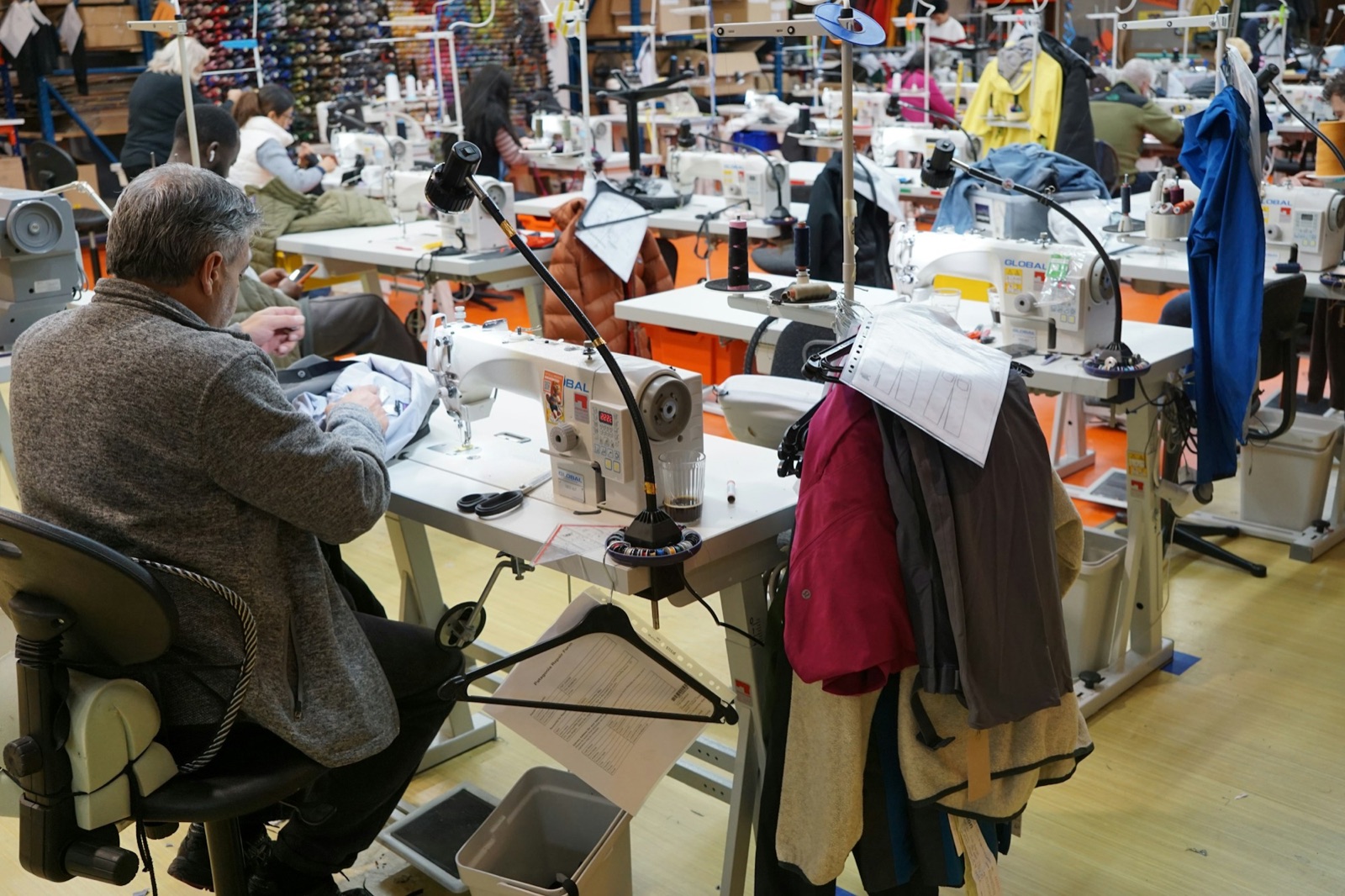
The pitfall is inputs. Many Vietnamese factories import fabric, components or subassemblies from China. That is legal, but it puts the origin question front and center, and Vietnam carries the same 12.5% forced-labor rate as China. CBP has already used the Enforce and Protect Act against Chinese goods routed through Vietnam, including pipe fittings declared as Vietnamese. Vietnam works when the real manufacturing happens there.
Malaysia: electronics and the lower 10% tier
Malaysia is the strongest of the three for electronics assembly, semiconductor back-end work, and rubber and plastic products. MIDA, Malaysia's investment agency, says the country holds about 13% of global semiconductor assembly, testing and packaging. For a buyer of electronic subassemblies, that usually means suppliers with established test capability.
Malaysia is in the 10% group because it committed to a forced-labor import ban in its trade agreement with the US. Its minimum wage is RM1,700 a month since February 1, 2025, and the government said in August 2026 that it is reviewing the rate, with no new figure yet.
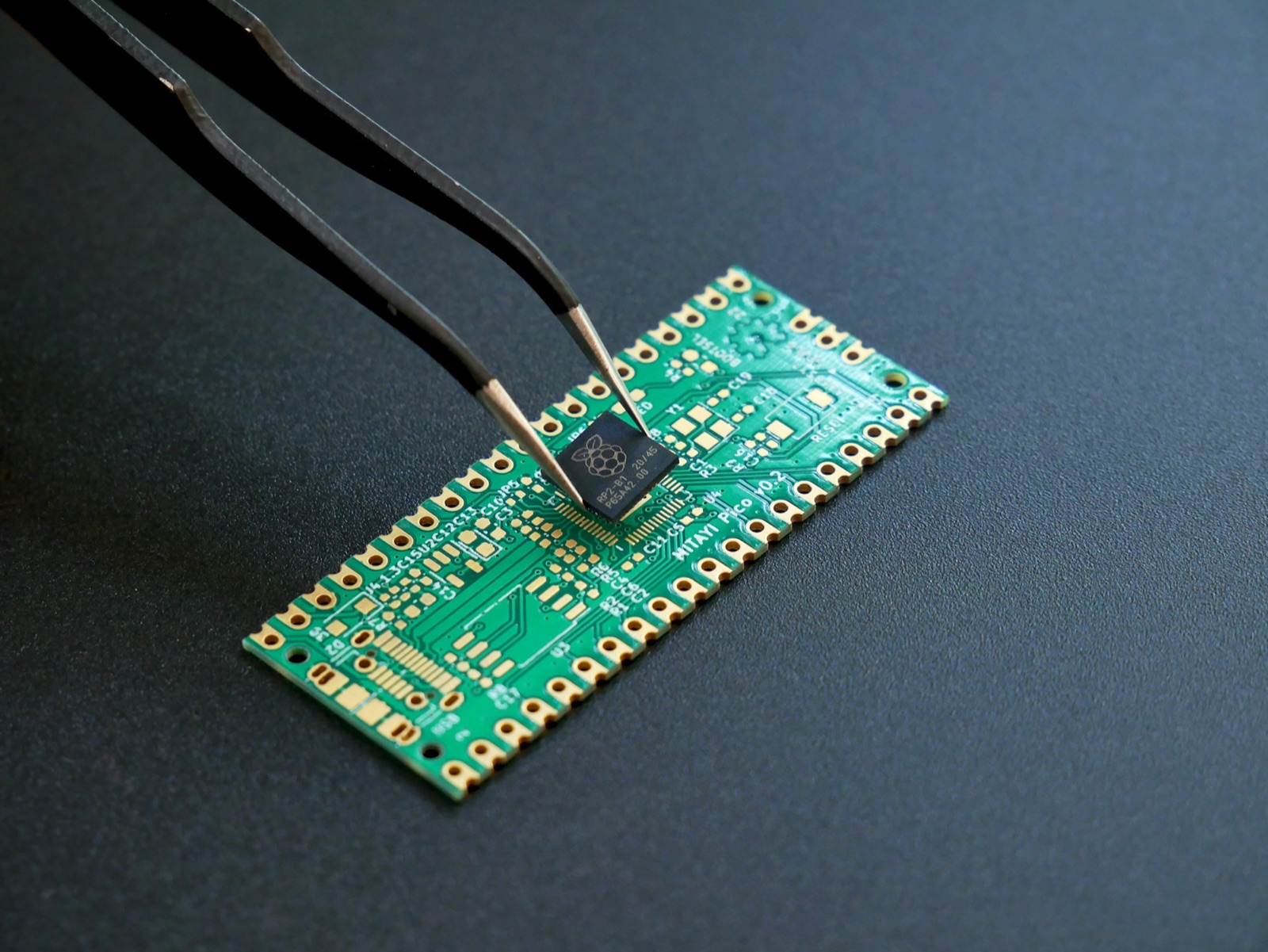
The pitfall: Malaysia has also been the route in past evasion cases, such as xanthan gum transshipped from China. Apparel buyers should also watch the planned textile tariff-rate quotas, which can change the rate above a quota volume.
Taiwan: precision, higher prices, a capped rate
Taiwan suits buyers of precision parts, machinery, bicycles and e-bike components, and electronics where engineering support matters more than unit price. Prices reflect that. Taiwan Bicycle Association data for January to July 2025 put the average conventional bicycle export at about USD 1,037 and the average e-bike at about USD 1,961, reported by Show Daily. This is a market for mid- and high-end product, not cheap volume.
Labor costs are the highest of the three. The minimum wage is NT$29,500 a month in 2026, and the wage committee agreed on September 24 to raise it to NT$30,900 from January 2027, pending Cabinet approval, per Focus Taiwan.
The duty treatment is unusual. Taiwan's rate is "10% net of MFN". If your product's MFN duty is 4%, the Section 301 add-on is 6%. If the MFN duty is 10% or higher, the add-on is zero. For goods with high MFN rates, Taiwan can be the lowest-duty option of the four.
Vietnam, Malaysia and Taiwan side by side
| Factor | Vietnam | Malaysia | Taiwan |
|---|---|---|---|
| Section 301 forced-labor duty (Oct 2026) | MFN + 12.5% | MFN + 10% | 10% total with MFN, or zero |
| Minimum wage (2026) | VND 3.70m-5.31m per month by region | RM1,700 per month (under review) | NT$29,500 per month |
| Deepest categories | Footwear, apparel, furniture, consumer goods | Electronics, semiconductor back-end, rubber and plastics | Precision parts, machinery, bicycles, e-bike components |
| Typical buyer fit | Price-driven volume | Electronics and technical goods | Engineering-heavy, mid to high price |
| Origin risk to manage | High reliance on Chinese inputs | Past transshipment cases | Lower, but check imported subassemblies |
Wages are only one part of unit cost. Material, yield and tooling can matter more, so request quotes on the same specification from each country before deciding. A market assessment before you move is cheaper than a failed pilot run.
How to prove origin before CBP asks
For non-preferential origin, CBP applies the substantial transformation test case by case. It looks at where components come from, how much processing happens, and whether the processing creates a new article with a different name, character or use. Design, testing and worker skill can count too. Simple mixing, packing or relabeling does not change origin, as summarized by Amundsen Davis.
CBP's CTPAT alert on illegal transshipping, last updated December 18, 2025, lists the red flags it looks for: no substantial transformation in the transit country, origin labels that do not fit the country's manufacturing capability, mismatched export and import volumes, routing through low-cost countries without a supply-chain reason, and sudden changes in a supplier's trade pattern or pricing. Consequences include fines, seizure and loss of import privileges.
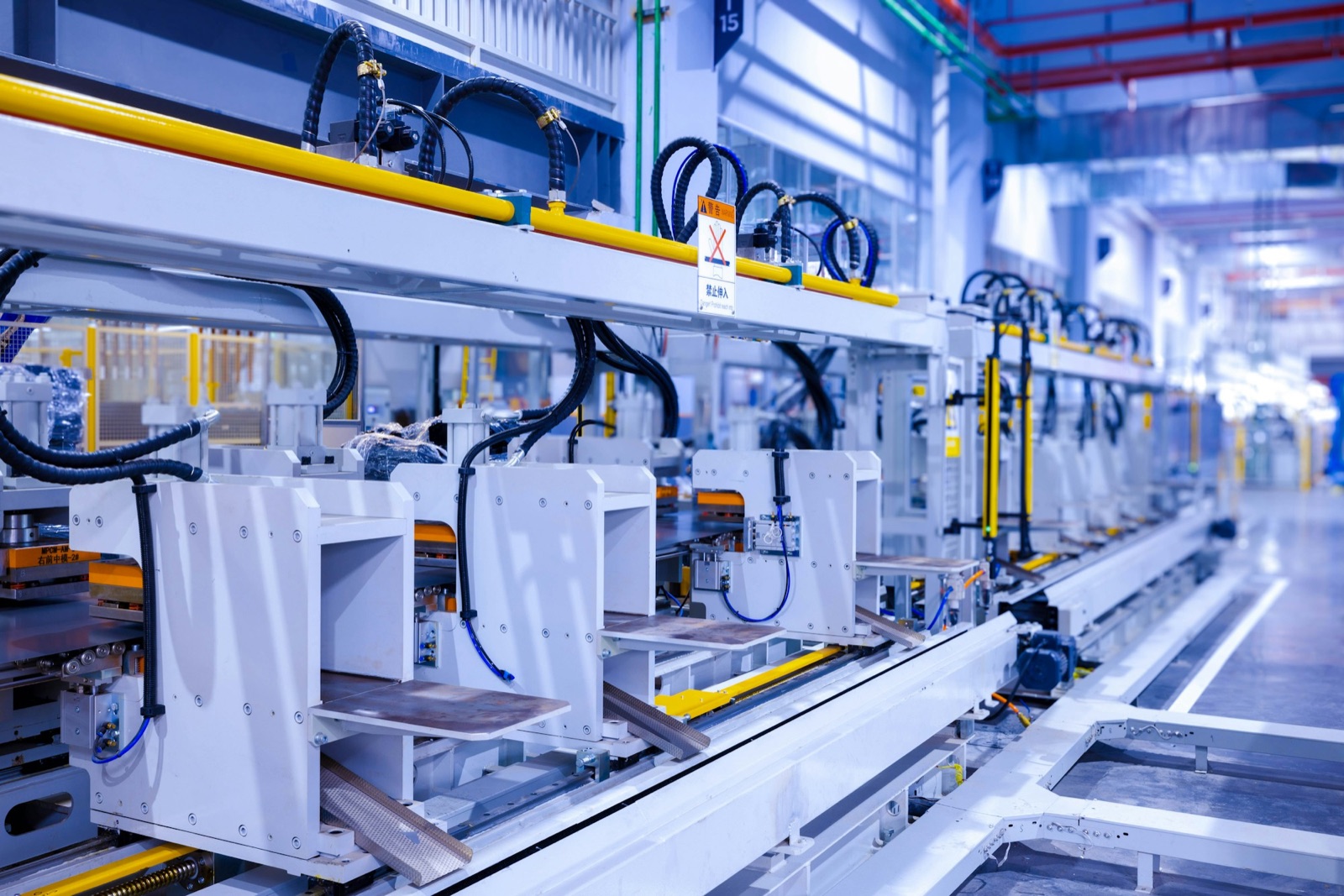
Origin file checklist:
- A bill of materials with the country of origin and value of every input.
- A process flow showing which steps happen in the new country, with photos and equipment lists.
- A factory audit or on-site visit report that confirms the line exists and runs. Our factory consultancy team does this.
- Production records that tie each purchase order to dated output.
- For borderline products, a binding ruling. CBP's rulings program guide targets a reply within 30 days, and the ruling number goes on your entry documents.
- A certificate of origin from the local chamber or ministry, kept as support, not as proof on its own.
- A broker who reviews the file before the first entry. See customs brokerage.
Common mistakes: switching origin on the commercial invoice while the bill of materials stays the same; letting a trading company in the new country ship goods made elsewhere; and skipping inspection on the first runs from a new factory. A pre-shipment quality check on the first two or three orders catches both quality and origin problems.
Decision framework and buyer scenarios
Work through these questions in order. The first clear yes usually decides it.
| Question | If yes, lean toward |
|---|---|
| Is the product labor-intensive (sewn, assembled by hand) and price-driven? | Vietnam |
| Is it an electronic subassembly or needs SMT, testing or clean-room work? | Malaysia |
| Does it need tight tolerances, engineering support, or is the MFN rate 10% or more? | Taiwan |
| Is more than half the input value still coming from China? | Fix the bill of materials first, or stay in China and price the duty |
| Is your volume too small for a second full supplier? | Split one or two SKUs, not the whole line |
Scenario 1: a brand importing canvas sneakers in six 40-foot containers a year. Vietnam has the supplier depth, and the duty is 12.5% over MFN against China's stacked rate. The work is in the origin file: uppers must be cut and stitched in Vietnam, not imported finished from China.
Scenario 2: a distributor of USB-C chargers moving 20,000 units a quarter. Malaysia offers board assembly and testing plus the lower 10% tier. The buyer should confirm the board assembly and testing happen in Malaysia, and ask CBP for a binding ruling if the Chinese content is high.
Scenario 3: an e-bike brand buying motors and drivetrain parts. Taiwan has the component base, and for parts with MFN rates near 10% the Section 301 add-on is small or zero. The trade-off is unit price.
Strategic sourcing work usually starts with one category and one pilot factory, then grows once the first two orders pass inspection and clear customs without questions. Freight choice matters too; see our guide to FCL, LCL and air freight from Asia.
FAQ
Is China plus one sourcing still worth it in 2026?
For most products from China, yes, because China pays the 12.5% forced-labor duty plus the older 25% or 7.5% Section 301 duties on listed goods. The case is weaker for goods that are exempt from both, or where you would still buy most inputs from China. Run a landed-cost comparison on your own HTS codes before moving volume.
Does shipping from a Vietnamese port make goods Vietnamese?
No. Origin is set by where the goods were substantially transformed, not where they were loaded. Chinese goods that are only repacked or relabeled in Vietnam remain Chinese, and CBP treats that as a transshipment red flag.
What is substantial transformation?
It is CBP's test for non-preferential origin. Processing in a country must turn the inputs into a new article with a different name, character or use. CBP weighs the origin of components, the extent of processing and factors like design and testing, case by case.
Do I need a certificate of origin to import into the US?
Treat a chamber or ministry certificate as supporting evidence, not as proof. CBP decides origin under its own substantial transformation rules. Keep a bill of materials, production records and, for borderline products, a binding ruling.
How does the Taiwan rate work?
Taiwan goods pay enough Section 301 duty to bring MFN plus Section 301 to 10%. If the MFN rate is already 10% or higher, the Section 301 duty is zero. Exempt goods listed in the notice's annexes pay neither.
Could these rates change again?
Yes. The excess capacity investigation covering China, Vietnam, Malaysia and Taiwan is still open, and the older China tariffs are in a four-year review. Treat the table as dated and recheck before each new contract.
Next step
If you are weighing Vietnam, Malaysia or Taiwan for a product line now made in China, start with one SKU, a supplier shortlist and a draft origin file. Flyglow's sourcing team works on the ground in Vietnam, Taiwan and Malaysia and can run the supplier search, factory audit and first inspections. Request a quote with your product, volume and current HTS code.