FCL vs LCL vs air freight from Asia: how to choose in 2026
On this page
If you import from Vietnam, Taiwan, China or Malaysia, every purchase order ends with the same question: book a full container, share one, or put the cargo on a plane. The cheapest rate is rarely the whole answer, because transit time, handling risk and local charges change the real cost. This guide gives you the thresholds, the current rate benchmarks and a checklist so you can make the call in a few minutes.
Key takeaways
- The FCL vs LCL break-even usually sits around 13 to 15 CBM, but it moves to roughly 8-10 CBM in a soft market and 20-25 CBM in a tight one, so check it against live quotes.
- LCL is billed on the greater of cubic metres or metric tons (1 CBM = 1,000 kg), with a typical minimum of 1 CBM plus CFS charges at both ends.
- Air is billed on the greater of actual weight or volume divided by 6,000, which means anything lighter than about 167 kg per CBM pays for space, not weight.
- On 8 October 2026 Drewry put Shanghai to Los Angeles at USD 7,624 per 40ft and Shanghai to Rotterdam at USD 3,337. These numbers move weekly.
- Compare landed cost and days of inventory, not the headline freight rate.
FCL: when a full container pays off
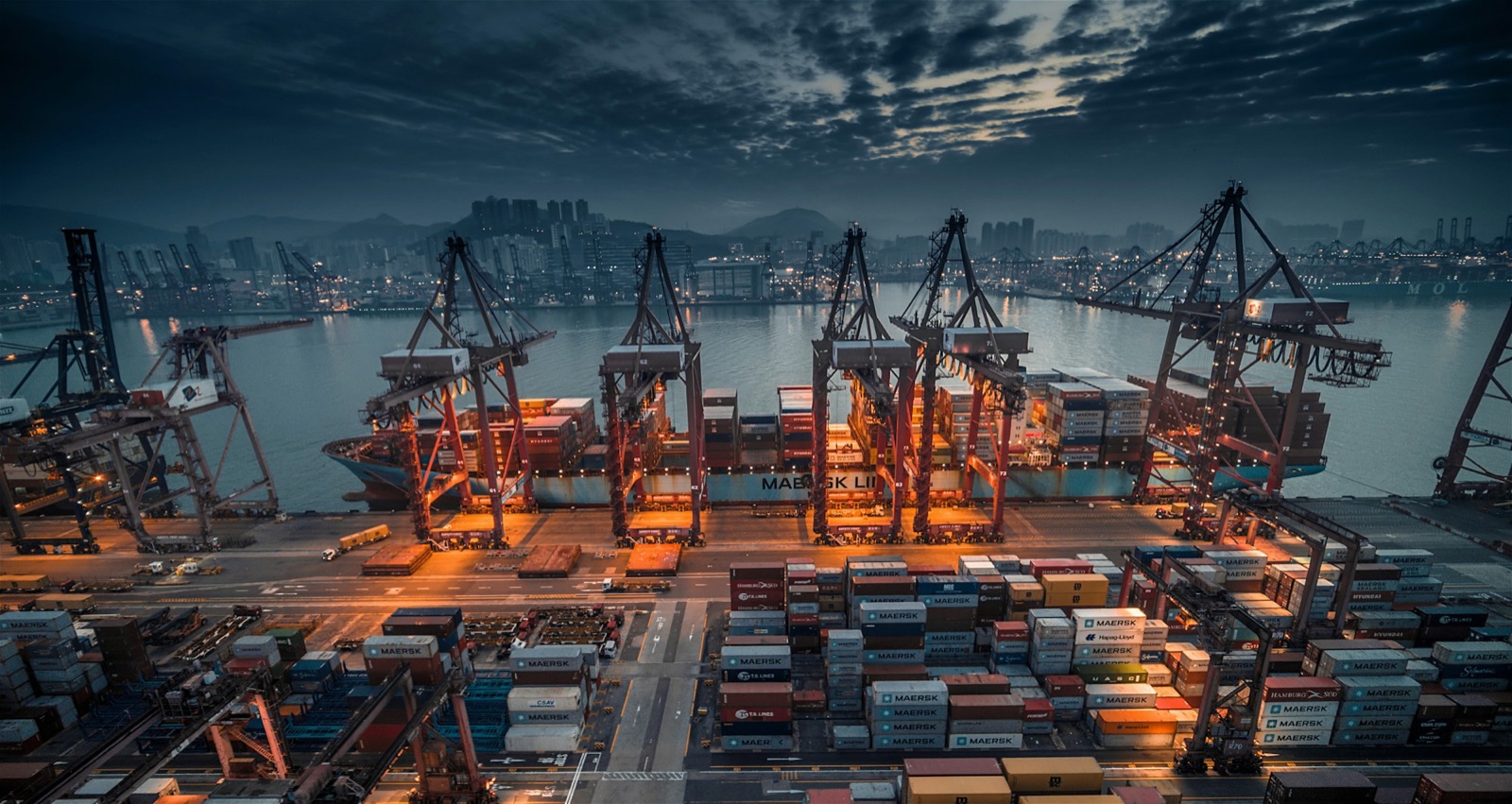
With FCL (full container load) you rent the whole box. The factory or a nearby depot loads it, seals it, and it normally stays sealed until your warehouse or a customs exam. You pay a flat price per container, so every extra carton you fit lowers the cost per unit.
Here is what you are buying. These are representative figures; real boxes vary by owner, age and manufacturer.
| Container | Internal size (L x W x H) | Capacity | Max payload |
|---|---|---|---|
| 20ft dry | 5.9 x 2.35 x 2.39 m | 33.2 m3 | 25,000 kg |
| 40ft dry | 12.03 x 2.35 x 2.39 m | 67.7 m3 | 27,600 kg |
| 40ft high cube | 12.03 x 2.35 x 2.70 m | 76.4 m3 | 28,560 kg |
Source: DSV dry container specifications and DSV high cube specifications.
Do not plan on filling the nominal capacity. Cartons, pallets and gaps eat space, and Freightfigures' FCL vs LCL guide puts the usable space in a 20ft at roughly 25 to 28 CBM. Heavy goods hit the weight limit before the box is full.
The FCL cost buyers most often miss is port time. Demurrage is charged while the full container sits in the terminal, detention while you hold it outside, and Maersk's demurrage and detention explainer notes that free time differs by port and carrier. As one real example, Maersk's Canada import tariff gives dry containers four free days at the terminal, then charges USD 180 a day for days 5 to 8, rising to USD 320 a day from day 13.
LCL: paying for the space you use
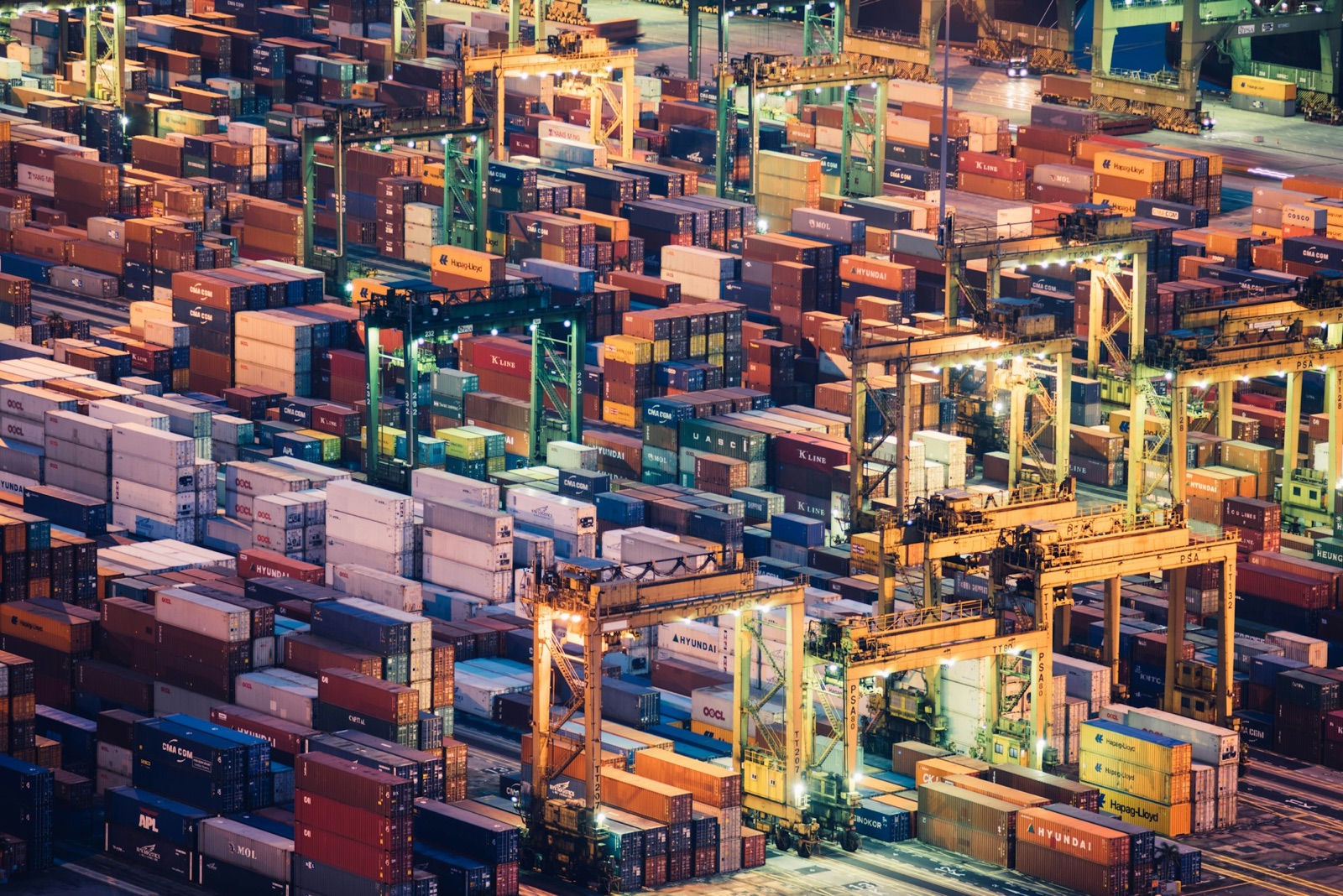
With LCL (less than container load) your cartons go to a consolidator's warehouse (a CFS, container freight station), get loaded with other shippers' cargo, and are unloaded again at a CFS near the destination port.
LCL is priced per revenue ton. As Cogoport's chargeable weight guide explains, you pay on whichever is greater: volume in CBM or weight in metric tons. Four CBM weighing 900 kg is billed as 4 units. One CBM weighing 1,500 kg is billed as 1.5 units.
The base rate is only part of the bill. Suaid Global's LCL rate guide, citing early-2026 figures, lists base rates of USD 45-160 per CBM from China to the US West Coast and USD 70-150 per CBM from China to Europe, plus CFS charges of USD 15-40 per CBM at each end, documentation fees, and a minimum charge of 1 CBM. The same guide says minimums and local charges can add 30-50% to the base rate. Treat those ranges as indicative.
LCL is also slower. Your cargo waits for the box to fill at origin and waits again for unpacking at destination. Suaid's LCL transit table adds 8 to 12 days of CFS processing to every route it lists and says LCL runs 5 to 15 days slower than FCL. More handling also means more damage risk.
Air freight: chargeable weight decides the bill
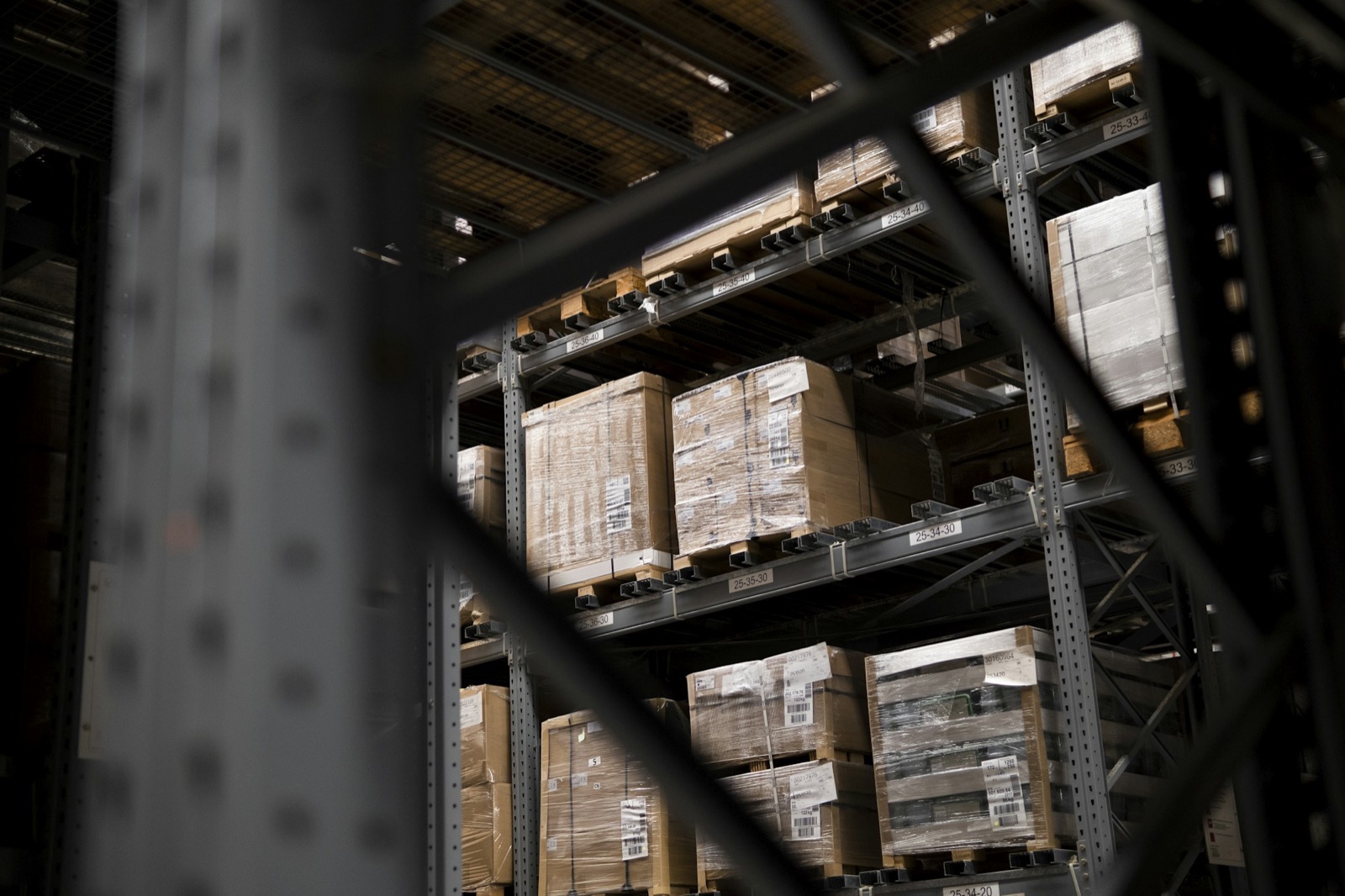
Air moves cargo in days. The pricing rule you need to know is chargeable weight. Maersk's air cargo chargeable weight guide gives the formula: length x width x height in centimetres, divided by 6,000, which it describes as the IATA industry standard. You pay on the higher of that volumetric figure and the actual weight. Some carriers use 5,000, which makes bulky cargo cost more.
One cubic metre is 1,000,000 cm3, and 1,000,000 / 6,000 is about 167 kg. If your cargo weighs less than about 167 kg per CBM, you are paying for space.
On rates, the Freightos update of 30 September 2026 put the Freightos Air Index at about USD 6.80/kg from the Far East to North America and USD 4.14/kg to Europe. Those are airport-to-airport index levels, so pick-up, export clearance, terminal fees, import clearance and delivery come on top.
Check dangerous goods rules before you book. Lithium batteries, including those packed inside devices, fall under the IATA dangerous goods rules for batteries, and some aerosols, liquids and chemicals need special handling or cannot fly at all.
Rates and transit times side by side
This is a snapshot, not a quote. The indices publish weekly and move both ways.
| Benchmark (date) | Lane | Level |
|---|---|---|
| Drewry WCI (8 Oct 2026) | Shanghai to Los Angeles | USD 7,624 per 40ft |
| Drewry WCI (8 Oct 2026) | Shanghai to New York | USD 10,220 per 40ft |
| Drewry WCI (8 Oct 2026) | Shanghai to Rotterdam | USD 3,337 per 40ft |
| Drewry WCI (8 Oct 2026) | Shanghai to Genoa | USD 3,696 per 40ft |
| Freightos Air Index (30 Sep 2026) | Far East to North America | about USD 6.80 per kg |
| Freightos Air Index (30 Sep 2026) | Far East to Europe | USD 4.14 per kg |
| LCL base rate (early 2026, indicative) | China to US West Coast | USD 45-160 per CBM |
Sources: Drewry World Container Index, Freightos and Suaid Global as linked above.
Drewry also flags a faster return of ships to the Suez route as the main risk to carriers' planned October increases.
Transit times, port to port unless noted:
| Origin | Ocean to US West Coast | Ocean to US East Coast | Air, airport to airport | LCL door to door, to US West Coast |
|---|---|---|---|---|
| China | 15-25 days | 30-45 days | 1-5 days | 20-28 days (Shanghai) |
| Taiwan | 14-22 days | 30-42 days | 1-4 days | 19-27 days (Kaohsiung) |
| Vietnam | 20-30 days | 32-45 days | 2-5 days | 22-30 days (Ho Chi Minh City) |
| Malaysia | 20-30 days | 30-45 days | 2-6 days | 22-30 days (Port Klang) |
Sources: Dimerco's Asia to USA transit time guide (Malaysia uses its Southeast Asia figures) and Suaid Global's LCL table. Dimerco adds that door-to-door air is usually 1 to 3 days longer than airport to airport. For Europe, Xeneta's analysis measured actual Far East to North Europe ocean transit at 52 days in December 2025, against 40 days in October 2023, so ask which routing your service uses.
A decision framework for fcl vs lcl vs air
Work through these questions in order.
- Is there a hard date? If missing it costs more than the freight premium (a launch, a retailer deadline, a line stoppage), price air first. If not, go to step 2.
- What is the density? Under about 167 kg per CBM, air bills you on volume, which makes ocean far cheaper per unit. Over that, air bills on weight.
- How many CBM? Suaid notes that below about 0.5 CBM, courier or air often costs less than LCL, and up to a couple of CBM it pays to quote both, because LCL minimums and fixed fees weigh heavily on small shipments. Between 2 and roughly 13 CBM, LCL is usually the default. Above that, get an FCL quote.
- What is your break-even? Divide the all-in FCL cost by the all-in LCL cost per CBM. With illustrative numbers, a 20ft at USD 2,500 all-in against LCL at USD 150 per CBM all-in gives a break-even of about 16.7 CBM. Use your own quotes, both door to door.
- How fragile is the cargo? If the goods do not survive restacking, lean towards FCL, even slightly below break-even.
| Situation | Usually best | Check before booking |
|---|---|---|
| Under 2 CBM, urgent or high value | Air | Volumetric weight, battery rules |
| 2 to about 13 CBM, no hard date | LCL | Minimums, CFS fees, packaging |
| Around 13 to 15 CBM | Quote both | All-in break-even, fragility |
| 15 to about 28 CBM | 20ft FCL | Payload, free time at destination |
| Over about 28 CBM | 40ft or 40ft high cube | Weight limits, load plan |
Three buyer scenarios
These are worked examples, not client cases.
A homeware brand buying from a factory near Ho Chi Minh City has 6 pallets, about 9 CBM and 1,800 kg, bound for Los Angeles with no launch date. Billed by volume, that is 9 revenue tons, well under the break-even. LCL fits, with Suaid's table suggesting 22 to 30 days door to door. The real risk is carton strength, so it is worth a pre-shipment quality check of the packaging as well as the product.
A bicycle parts distributor buying from Taichung has 22 CBM and 7 tonnes for the US West Coast. That is above the usual break-even and inside the 25 to 28 CBM a 20ft holds in practice, at well under its 25,000 kg payload. A 20ft FCL makes sense. Line up customs clearance and a trucker before the vessel arrives so the container leaves inside free time.
An e-commerce seller buying phone accessories from a factory in Selangor has 40 cartons of 50 x 40 x 30 cm at 7 kg each, about 2.4 CBM and 280 kg. Each carton's volumetric weight is 10 kg, so air bills 400 kg, not 280. At the Freightos index level of about USD 6.80/kg that is roughly USD 2,700 airport to airport before local charges. If stock is needed within two weeks, fly it. If not, LCL from Port Klang is far cheaper. If any carton contains power banks, the dangerous goods rules apply and the forwarder needs to know before booking.
Common mistakes and a pre-booking checklist
Four errors come up often. Buyers compare an LCL rate per CBM against an FCL rate per container without adding CFS, documentation and destination fees. They forget volumetric weight on air until the invoice arrives. They book FCL without a plan for clearance and trucking, then pay demurrage. And US importers shipping by sea sometimes leave the Importer Security Filing late: CBP's ocean manifest guidance requires the 10 data elements no later than 24 hours before the cargo is loaded at the foreign port.
Before you book, confirm:
- Packed dimensions and gross weight per carton, measured, not copied from a spec sheet.
- Total CBM, weight per CBM, and which pricing rule (W/M or chargeable weight) bills you.
- Door-to-door quotes for at least two modes, with every local charge listed.
- The Incoterm, and who pays origin and destination charges.
- HS codes and any duty that will change your landed cost.
- Free time at destination and who will clear and collect the cargo.
- Dangerous goods status for batteries, liquids, aerosols or chemicals.
- ISF filing (US ocean) and the documents your customs broker needs.
FAQ
When is FCL cheaper than LCL?
FCL usually becomes cheaper somewhere around 13 to 15 CBM, roughly half of a 20ft container. That point drops towards 8 to 10 CBM when container rates are soft and rises towards 20 to 25 CBM when capacity is tight. Compare door-to-door quotes for both to find your own number.
How is LCL freight charged?
LCL is charged per revenue ton, which is the greater of the volume in CBM and the weight in metric tons. Most consolidators set a minimum of 1 CBM. On top of the ocean rate you pay CFS handling at origin and destination, documentation and destination delivery.
How do I calculate air freight chargeable weight?
Multiply length, width and height in centimetres and divide by 6,000 to get volumetric weight. The airline charges whichever is higher, that or the actual weight. Some carriers and most express services use 5,000, so confirm the divisor in your quote.
How long does LCL take from Vietnam or China to the US?
Suaid Global's September 2026 table puts LCL from Shanghai to Los Angeles at 20 to 28 days door to door, and from Ho Chi Minh City to the US West Coast at 22 to 30 days. Both include 8 to 12 days of CFS processing. Dimerco's figures suggest the East Coast adds roughly two to three weeks of ocean time.
Do transpacific and Asia-Europe rates move together?
No. In early October 2026 Drewry reported Asia-Europe rates down for 13 consecutive weeks, while Freightos had Asia-US West Coast at a high for the year at the end of September. Check the benchmark for your own lane before you budget.
Can I ship lithium batteries by air from Asia?
Often yes, but they are dangerous goods under the IATA rules, including batteries packed with or inside devices. They need correct classification, packing, labels and paperwork. Tell your forwarder before booking, not at the airport.
Next step
The right mode depends on your cartons, dates and lane, and these rates will date quickly. Flyglow arranges ocean freight in FCL and LCL, air freight, customs brokerage and warehousing for shipments from Vietnam, Taiwan, China and Malaysia. Send us your packing list and target date and we will compare the options on a door-to-door, landed-cost basis.